Why Court Reporting Is Needed for Accurate Legal Documents
Court reporting plays a vital role in the legal system. It supplies an exact, verbatim record of court proceedings. This precision is essential for maintaining the stability of lawful procedures. Mistakes in documentation can cause substantial effects for case outcomes. As legal experts significantly rely upon these transcripts, understanding the nuances of court reporting ends up being essential. What factors contribute to the effectiveness of this practice in guaranteeing justice?
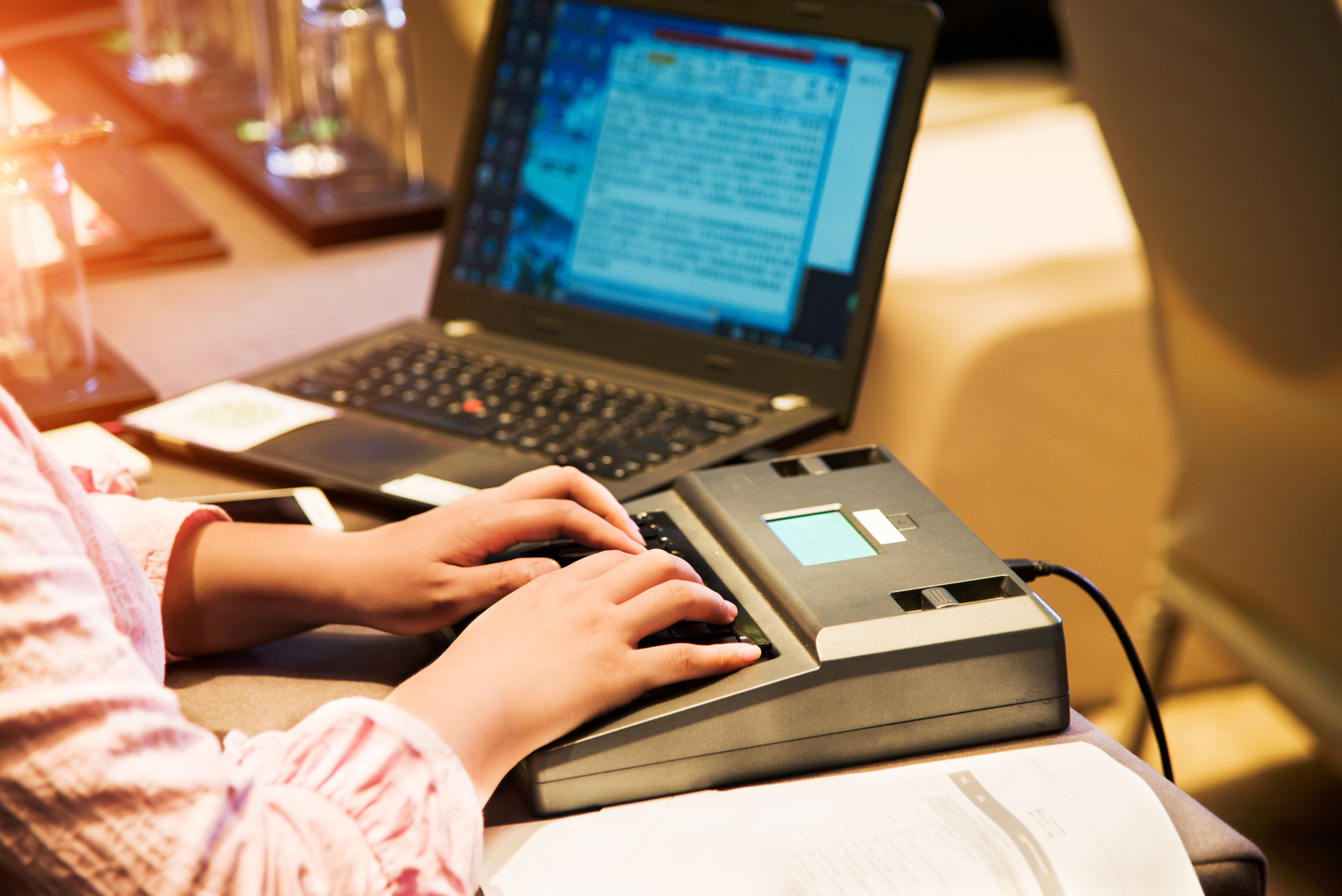
The Role of Court Reporters in the Legal System
Stenotype reporter function as the important link in between talked statement and written document in the legal system. They are in charge of catching verbatim accounts of court process, ensuring that every word talked is precisely transcribed. This transcription comes to be an official document, crucial for charms, lawful research study, and preserving the stability of judicial procedures. Court reporters make use of specific tools and strategies, such as stenography, to promote this exact documentation. Their duty expands beyond mere transcription; they need to understand lawful terminology and court procedures to guarantee clearness and context in their documents. In addition, court press reporters maintain discretion and impartiality, adding to the general justness of the legal procedure. Their job is crucial for parties, lawyers, and judges involved in litigation, as it supplies a reliable account of process that can be referenced in future lawsuits. Via their competence, stenotype reporter copyright the requirements of justice within the lawful system.
Making Certain Accuracy in Legal Transcripts
Preserving precision in lawful records is paramount to the stability of judicial procedures. Court press reporters play a critical function in catching every talked word throughout tests, depositions, and various other lawful setups. Their knowledge in stenography and experience with legal terminology assurance that records mirror the specific discussion and subtleties of the instance. Any kind of noninclusions or mistakes can bring about misconceptions, which may detrimentally affect the end results of legal conflicts.
To achieve this degree of precision, stenotype reporter use sophisticated innovation and rigorous training to enhance their transcription skills. They likewise engage in extensive evaluation processes, cross-checking their help precision prior to wrapping up papers. On top of that, ensuring proper context and audio speaker recognition includes one more layer of dependability to the transcripts. Inevitably, exact lawful transcripts serve as fundamental papers that support the justice system, enabling all celebrations included to depend on a specific document of proceedings.
The Importance of Real-Time Coverage
Real-time reporting has become a considerable development in the area of court coverage, enhancing the efficiency and access of legal process. This innovation allows stenotype reporter to record spoken discussion instantaneously, giving immediate access to transcripts for lawyers, judges, and various other lawful workers. With real-time coverage, participants can quickly examine statements and disagreements, promoting even more educated decision-making throughout proceedings.
This ability is specifically advantageous in complicated instances where rapid understanding of details is important - durham court reporting. It promotes more clear interaction among all parties, lowering the likelihood of misunderstandings. In addition, real-time records can be shared remotely, benefiting those incapable to go to face to face, thus expanding accessibility to justice. As lawful environments end up being significantly vibrant, the duty of real-time coverage in ensuring exact and prompt details circulation can not be overemphasized, making it a vital device in modern court reporting practices
Legal Documentation and Its Influence On Case Outcomes
Efficient legal paperwork plays a crucial duty in forming instance end results, since it works as the foundation upon which lawful debates are constructed. Exact documents assure that all pertinent realities, testament, and proof are plainly offered, enabling lawyers to construct engaging instances. Errors or noninclusions in paperwork can cause misconceptions, which may adversely influence the court's choice.
In addition, efficient paperwork helps with efficient instance monitoring, allowing attorneys to quickly reference crucial details during proceedings. Judges and courts depend heavily on recorded evidence to recognize the context and subtleties of a case. As a you could try here result, the quality of lawful documentation straight influences the reliability of arguments provided in court.
Eventually, complete and precise lawful paperwork not just enhances the possibilities of desirable results but likewise promotes the integrity of the legal procedure, guaranteeing that justice is served properly and fairly.
Improvements in Court Coverage Technology

As modern technology continues to develop, innovations in court coverage have substantially changed how legal paperwork is created and taken care of. Technologies such as real-time transcription software allow court press reporters to provide immediate accessibility to records, improving the performance of lawful proceedings. Digital tape-recording systems have also emerged, providing a dependable backup to conventional techniques, while expert system is increasingly being integrated into the paperwork process, improving accuracy and lowering human mistake.
Moreover, cloud-based systems promote safe he said and secure sharing and storage space of court papers, guaranteeing that legal teams can access required files from anywhere. Remote court coverage has become commonplace, allowing lawful experts to join procedures despite geographical place. These technological advancements not just improve the court reporting process however also enhance the total stability of lawful paperwork. Consequently, the lawful field is better outfitted to satisfy the needs of contemporary litigation, making sure that justice is served successfully and successfully.
Frequently Asked Concerns
What Qualifications Do Court Reporters Normally Need?
Court press reporters normally more information need a senior high school diploma, specialized training in court coverage, and efficiency in shorthand or voice writing. Qualification and licensure requirements differ by state, improving their credibility and making sure specialist standards are fulfilled.
How Do Court Reporters Maintain Discretion?
Stenotype reporter preserve discretion by adhering to stringent moral guidelines, using safe and secure methods for keeping and sending transcripts, and guaranteeing delicate information is shared only with authorized people entailed in the legal proceedings.
Can Court Reporters Job in Various Other Settings Besides Courts?
Court reporters can undoubtedly operate in various settings beyond courts, consisting of depositions, organization meetings, and legislative assemblies. Their skills in catching talked language properly make them valuable in any atmosphere needing exact documents.
What Is the Typical Salary of a Court Reporter?
The typical salary of a stenotype reporter differs extensively, generally ranging from $50,000 to $100,000 yearly, relying on elements such as experience, place, and the particular industry in which they are used. (durham court reporting)
The length of time Does It Take to End Up Being a Licensed Court Reporter?
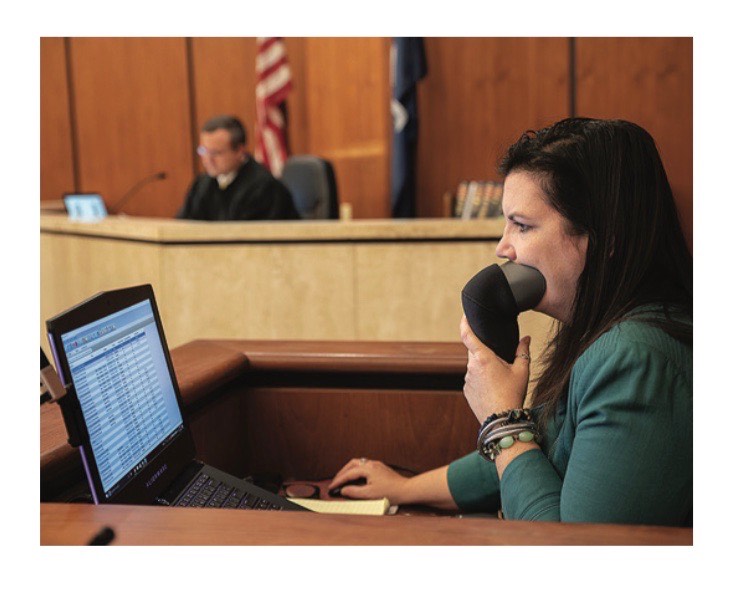
Court press reporters serve as the critical link between talked statement and created document in the legal system. In addition, court press reporters maintain privacy and impartiality, adding to the overall fairness of the lawful procedure. Innovations such as real-time transcription software application allow court reporters to provide instantaneous access to transcripts, improving the performance of lawful proceedings. Court reporters commonly require a high school diploma, specialized training in court reporting, and efficiency in shorthand or voice writing. Court press reporters can indeed work in different setups past courts, consisting of depositions, service meetings, and legislative assemblies.
Comments on “The importance of durham court reporting in Safeguarding Justice”